From a lavalier and towels on the wall to a cinema camera
We recorded our first podcast with a lapel mic and towels on the wall. Here's our journey and the right order to buy gear: audio, light, lens and, last, the camera.
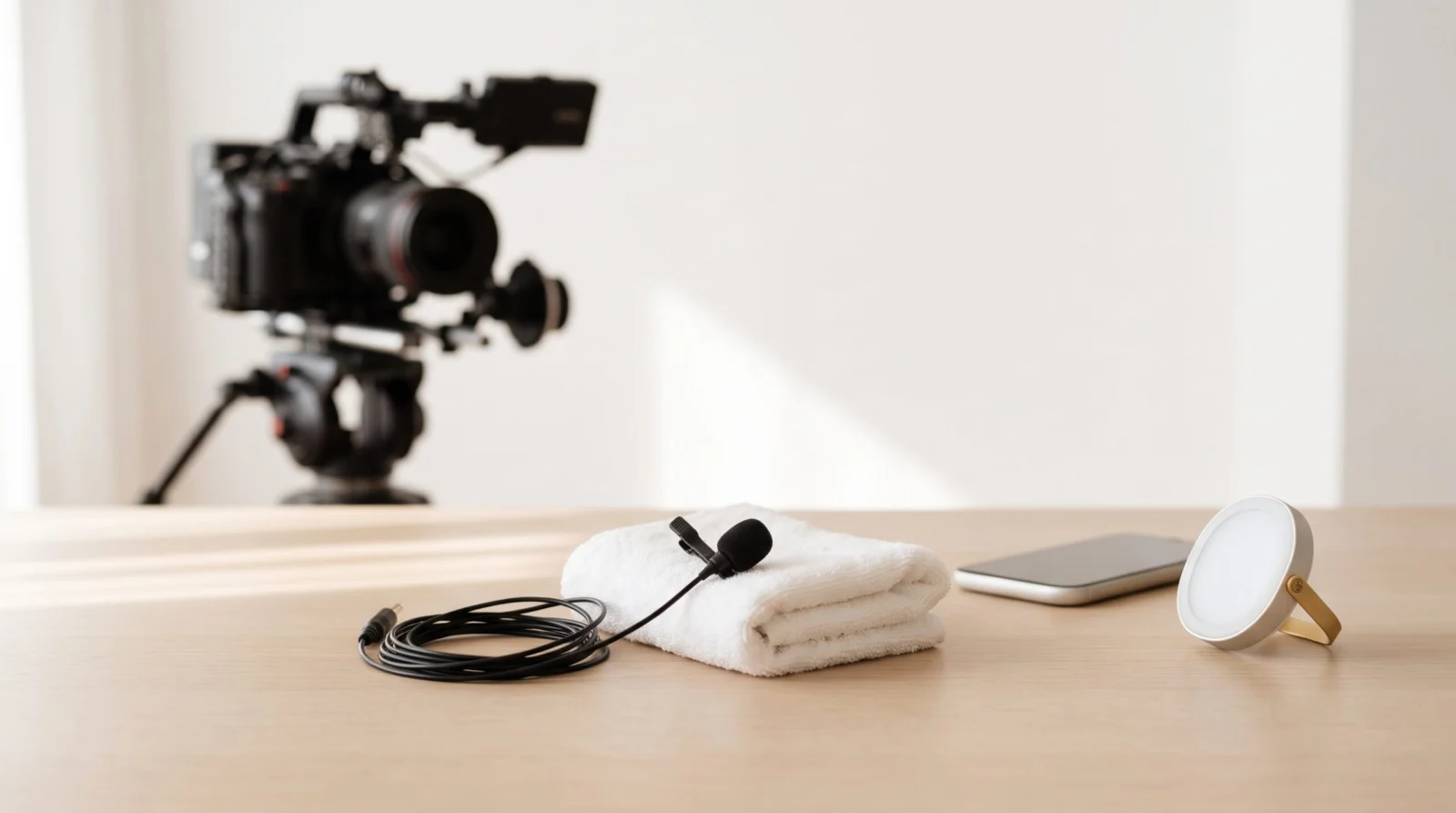
A friend called me recently: he wanted to start producing content and asked me which camera to buy. I told him the same thing I'm about to tell you here, because it's exactly what took us years to learn. This is our story and, along the way, the order in which we would buy gear if we were starting today.
The first podcast: a lavalier and towels on the wall
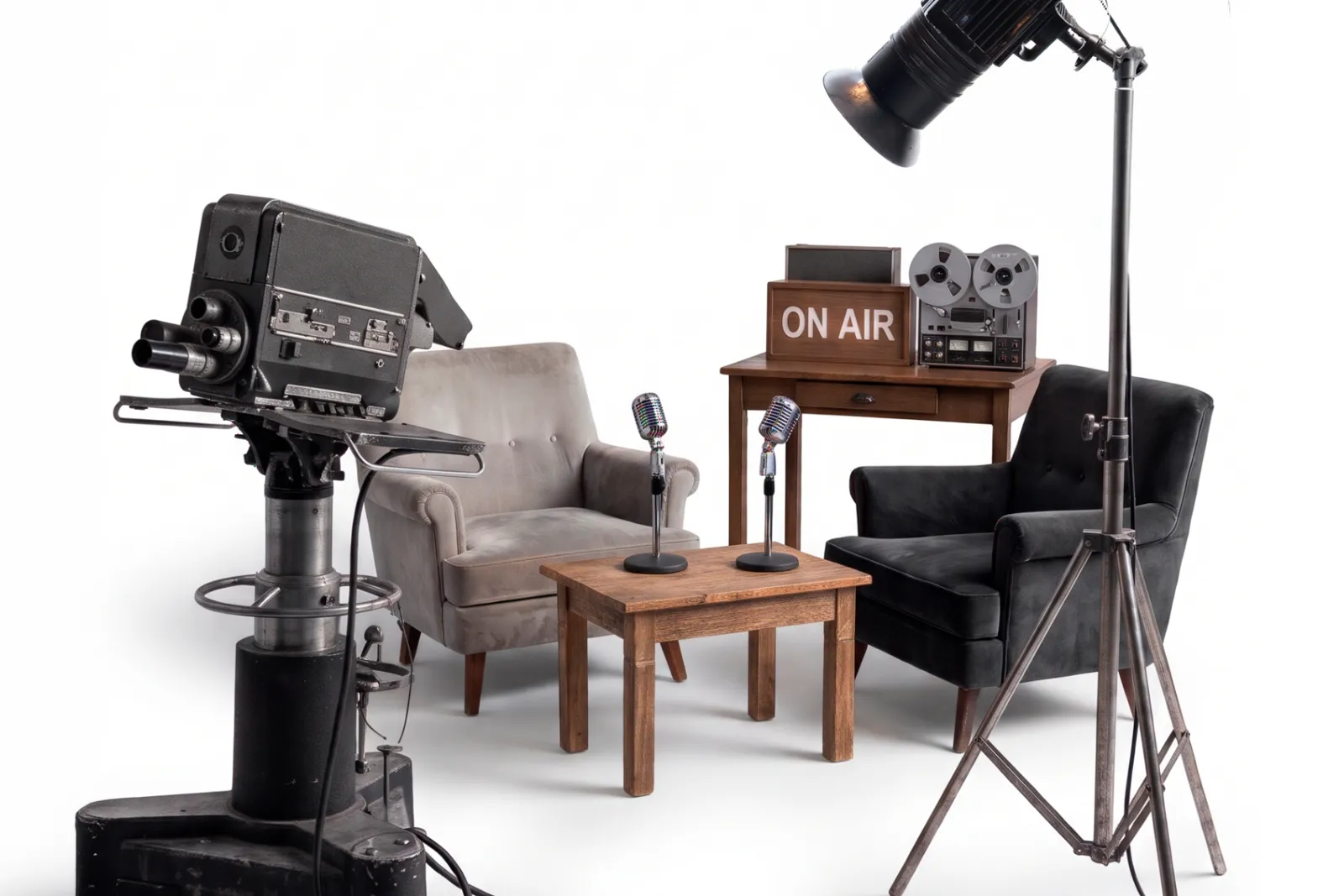
Faty and I started making videos between 2017 and 2018. Our first podcast was audio only. We bought a lavalier (lapel) microphone from Shure, a well-known brand. Today you can get a lavalier for 10 or 15 dollars, and ours cost more, but compared to what we were planning to spend, it was an investment.
To keep the sound from bouncing, we picked a corner and hung towels on both walls. We wrote a script with the most important points and hit record. We uploaded the first three episodes to Anchor, the free platform many of us used to distribute podcasts, which years later became Spotify for Podcasters.[1]
What did we talk about? Faty gave tutorials on WhatsApp Business, which had just come out: WhatsApp launched its business app in January 2018.[2] It was a new, useful topic, and we had something to teach. That's how almost every good podcast starts.
Growing step by step
Then came low-cost microphones plugged into the phone and some very, very cheap LED lights, the kind you screw a bulb into. We learned to edit audio in Adobe Audition through trial and error. It's been a long road, but a very rewarding one.
For a long time we recorded client projects with an iPhone 11. We have work published on websites that was shot that way: in HD and, through an app, with a log (flatter) profile to leave room for color correction in editing. With good audio, good light and a phone, we sold projects and podcasts.
My first camera was a Sony ZV-E10, and I tried to pair it with a good lens: not expensive, but bright. Today we work with a Sony FX30, part of Sony's Cinema Line;[3] it may be the most affordable cinema camera, but in the end it's a cinema camera. Our goal as a production company is to keep growing toward cinema gear and increasingly robust productions.
The right order: audio, light, lens and, last, the camera
This is what I told my friend. Almost all of us want to start with the camera. I watched a thousand camera videos before making up my mind. But if you want to create content, this is the order:
- Audio. Being heard clearly comes first. A video with average image and good sound is watchable; one with an amazing image and bad sound, people close.
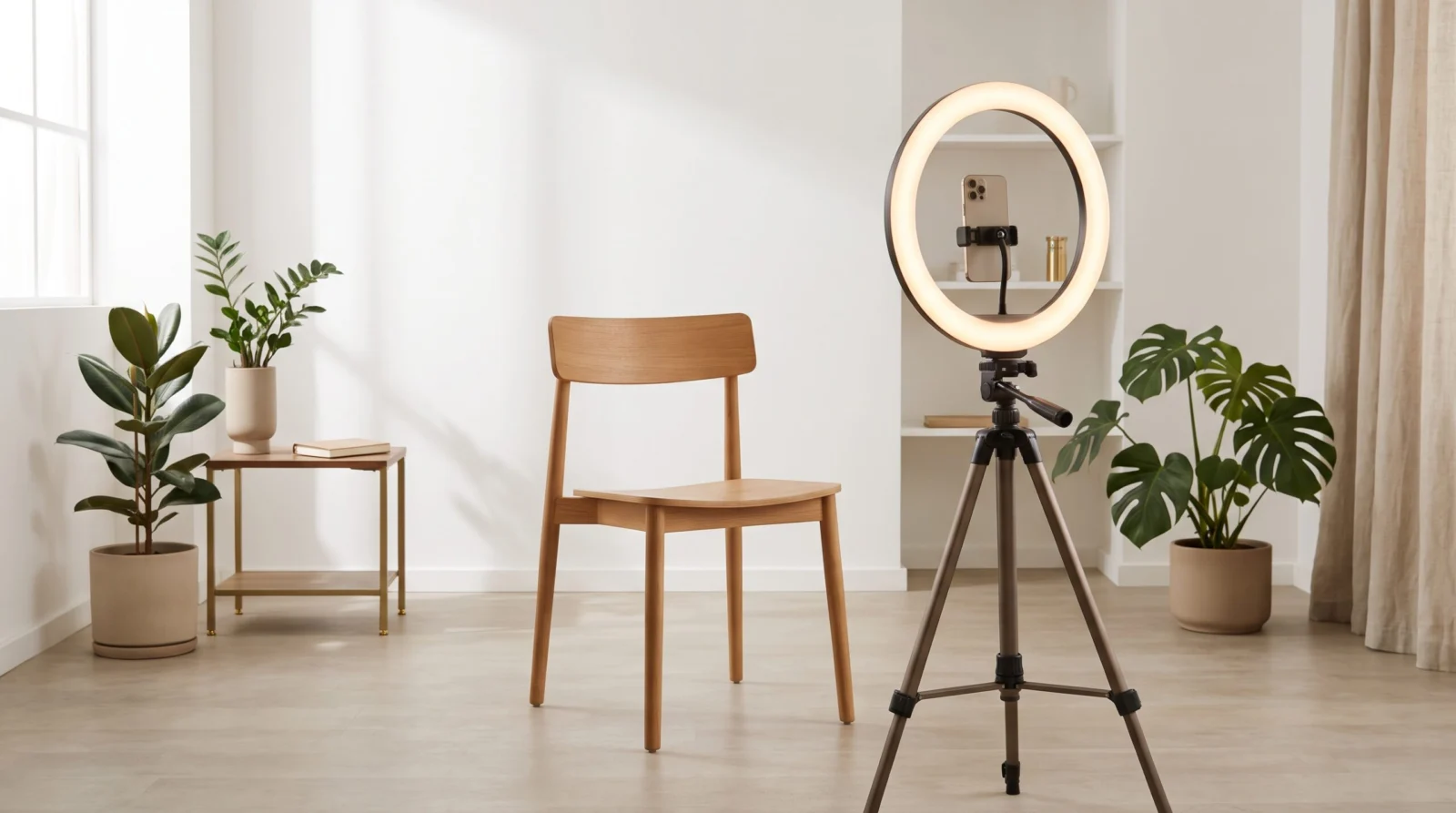
- Light. Next, save up for good lighting. Lighting transforms video more than any camera.
- Lens. If you already have a camera, a bright lens changes everything: more light, a blurred background and a more professional image.
- Camera. Last. Today a phone used well will take you very far.
And it's not just our opinion. In 2018, researchers Eryn Newman and Norbert Schwarz had people listen to the same scientific talks and interviews, some with clear audio and others with poor audio. With bad audio, people rated the research as less important and the experts as less intelligent and less credible.[4] Bad sound isn't just annoying: it takes credibility away from what you say.
I'll admit we didn't follow that order to the letter: the first thing we bought was the cheap lights. But if we were starting today, we'd start with audio.
We show up with professional audio, lighting and cameras to record your podcast or your reels. You just focus on what you're going to say.
What we learned along the way
Gear helps, but it doesn't make the content. What has really helped us grow is the same thing we had in that first podcast with towels on the wall: a clear script, something useful to say and the consistency to publish it. Being a videographer without a camera is hard, sure, but making content without something to say is worse.
If you'd like to know more about us, come meet us. And if you're thinking about your own podcast, first read what a podcast is and how it has grown in Mexico, and then message Faty.
Sources
- TechCrunch: Spotify revamps its podcaster tools, including Anchor (March 2023)
- WhatsApp Blog: introducing the WhatsApp Business app (January 2018)
- Sony: FX30 launch announcement, Cinema Line (September 2022)
- USC News: why we believe something, depending on audio quality (Newman and Schwarz study, 2018)